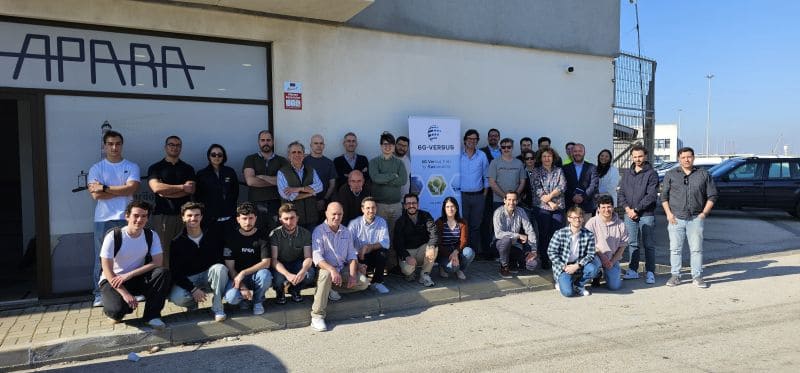
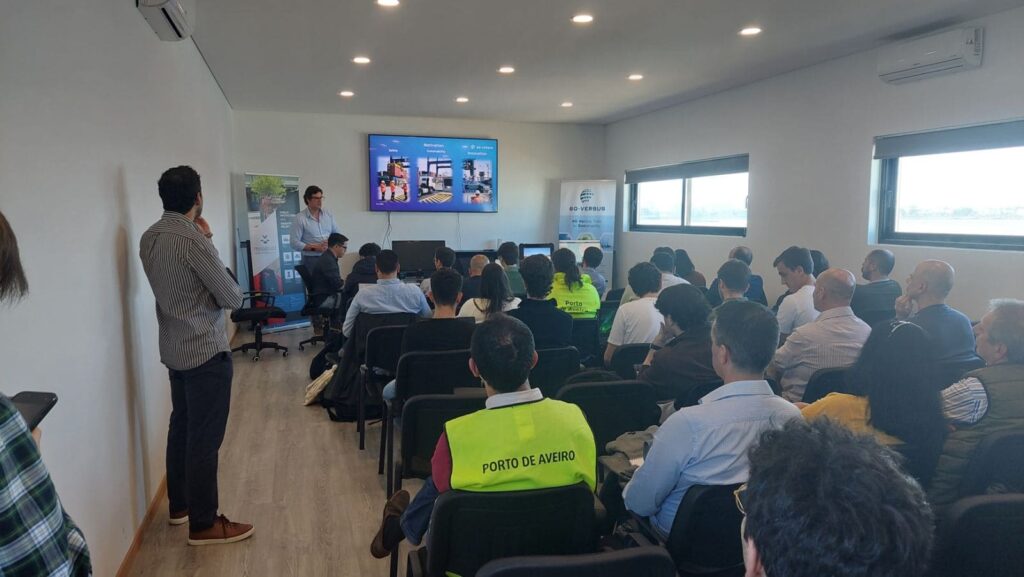
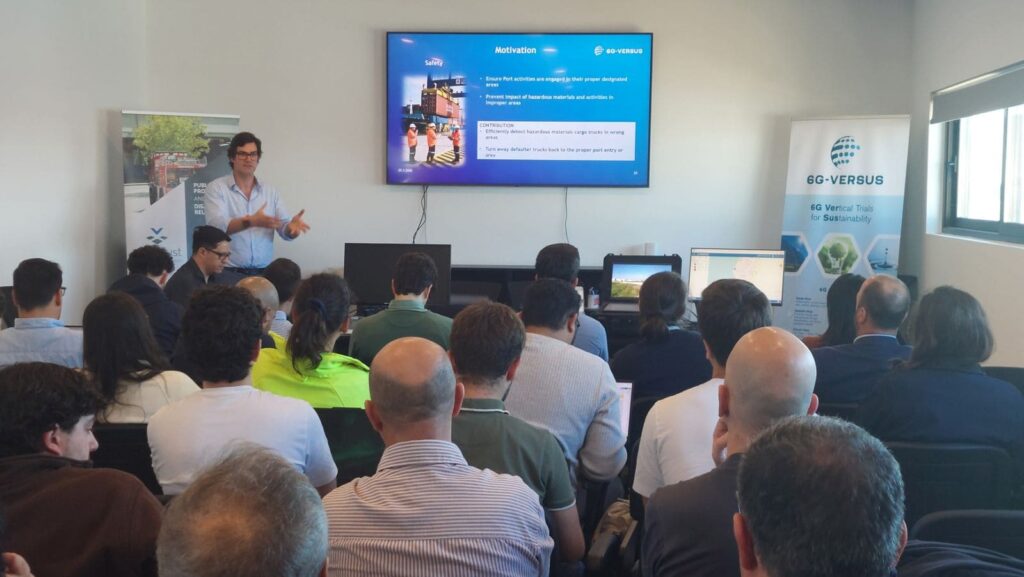
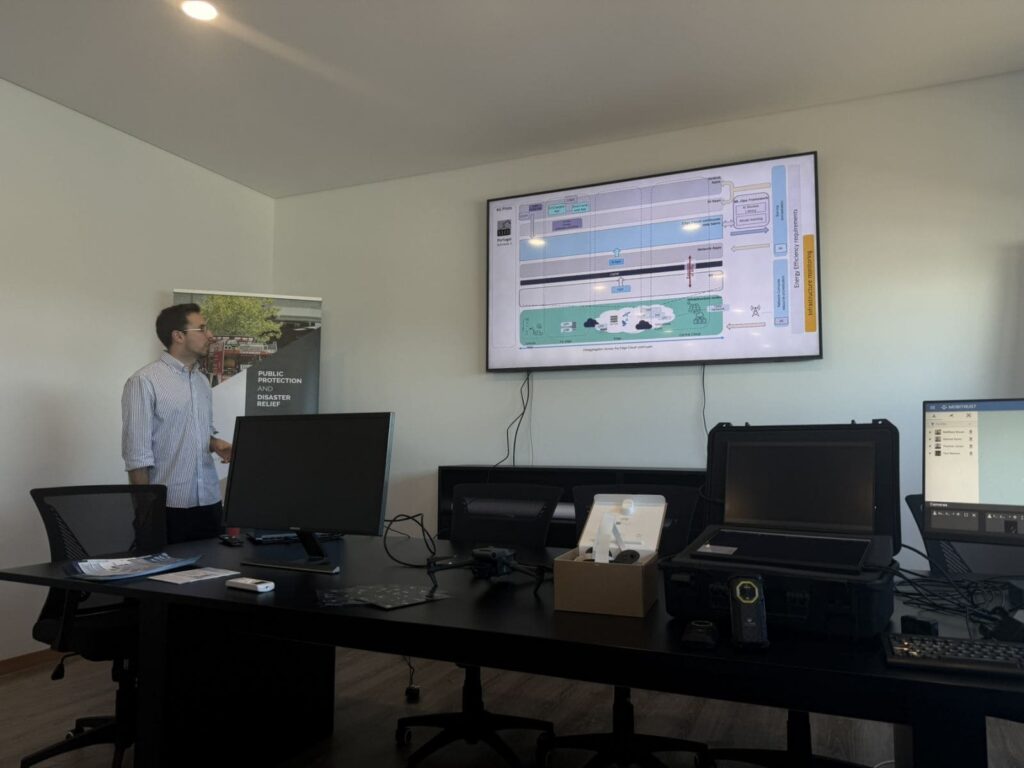
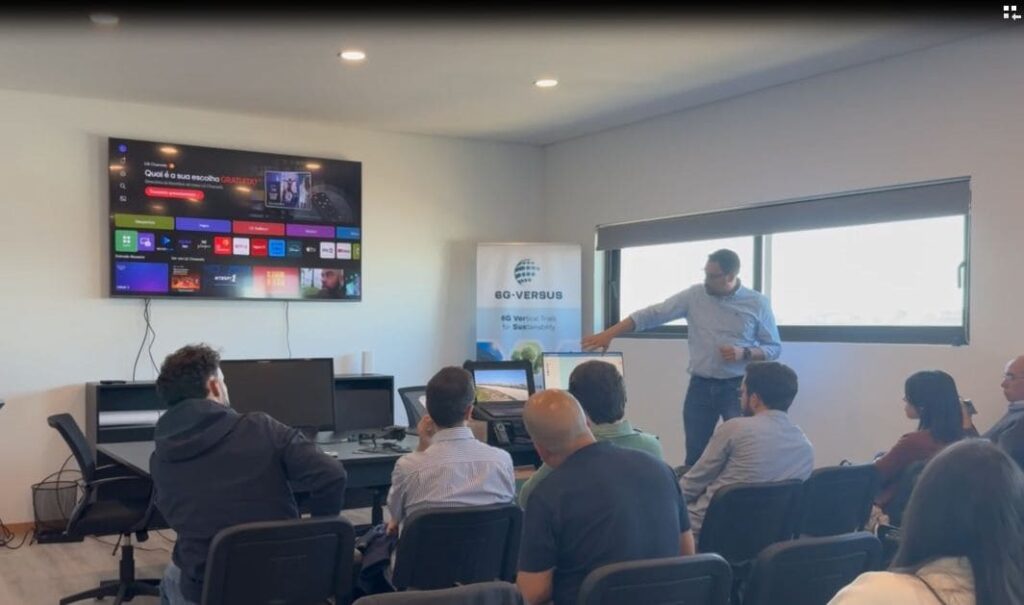
AVEIRO, PORTUGAL – On March 25, 2026, the Port of Aveiro became a testing ground for the future of maritime logistics and Ports as it hosted the second pilot of the Portuguese cluster for the 6G-VERSUS project. The event demonstrated how next-generation mobile communications technologies (6G) and Artificial Intelligence (AI) can transform port infrastructure into safer, more energy-efficient hubs.
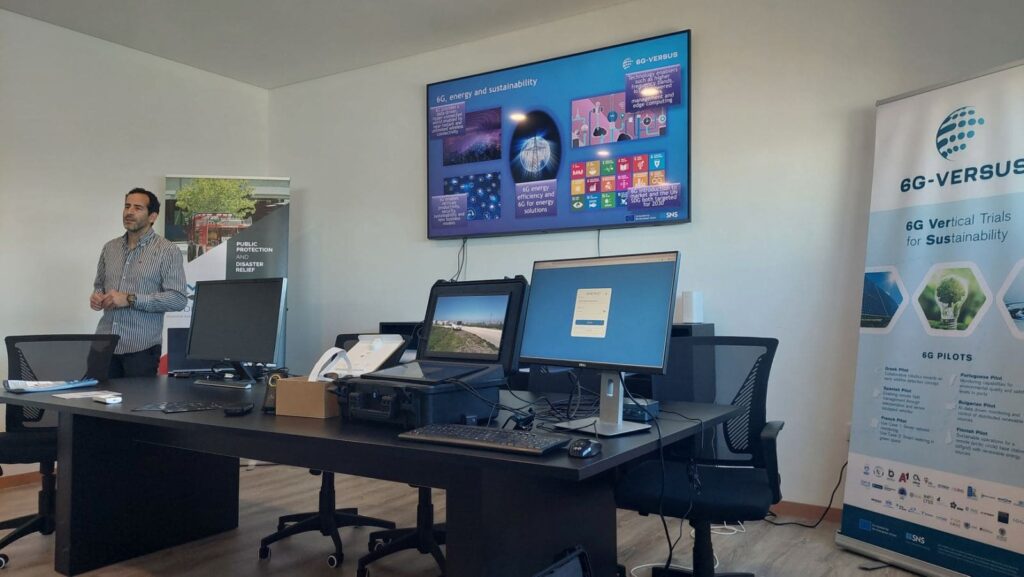
The event initiated with IPN’s introduction on 6G-VERSUS “6G VERtical trials for SUStainability” project – an initiative co-funded by the European Union’s Horizon Europe programme that aims to align the rollout of 6G technology with the United Nations 2030 Sustainable Development Goals (SDGs) -, followed by a zoom into the objectives of the Portuguese cluster of partners, gravitating around the environmental, safety and energy-related needs of the Port environment.
AI-Driven Safety and Efficient Logistics
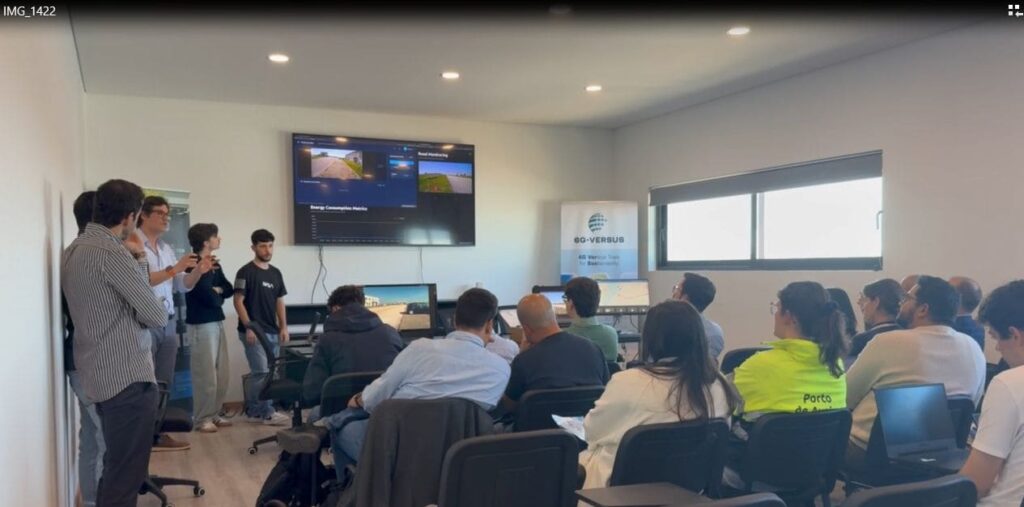
A centerpiece of the Aveiro event was the demonstration of “Scenario 2 – Port safety awareness and enhancement via AI and B5G/6G”, where ITAV researchers showcased in live realistic conditions a machine learning-enabled vision system capable of identifying the presence of trucks carrying hazardous materials in unauthorized zones and automatically directing them back to correct entry points, significantly reducing safety risks, while addressing environmental impact of logistical bottlenecks. By automating cargo truck detection and identification, the solution has the potential to minimize queueing at seaport gates – a major source of pollution. At the network innovation level, the solution showcased enablers such as on-the-fly network slices for energy-efficient infrastructure operation, edge analytics of vehicle-related data and intelligent resource management via adaptive, low resource data processing strategies. Additionally, OneSource contributed to this scenario through its Mobitrust platform, acting as a security awareness and workforce management solution for maritime port environments. Through the integration with ITAV’s AI-based vehicle detection system, Mobitrust receives real-time alerts on the presence of hazardous-material transport vehicles in restricted areas. These notifications are relayed to operational teams, enabling enhanced situational awareness and supporting timely, informed decision-making. As a result, port field personnel can assess risks on-site and implement appropriate mitigation measures based on the alerts received.
Innovations in Infrastructure Energy Management
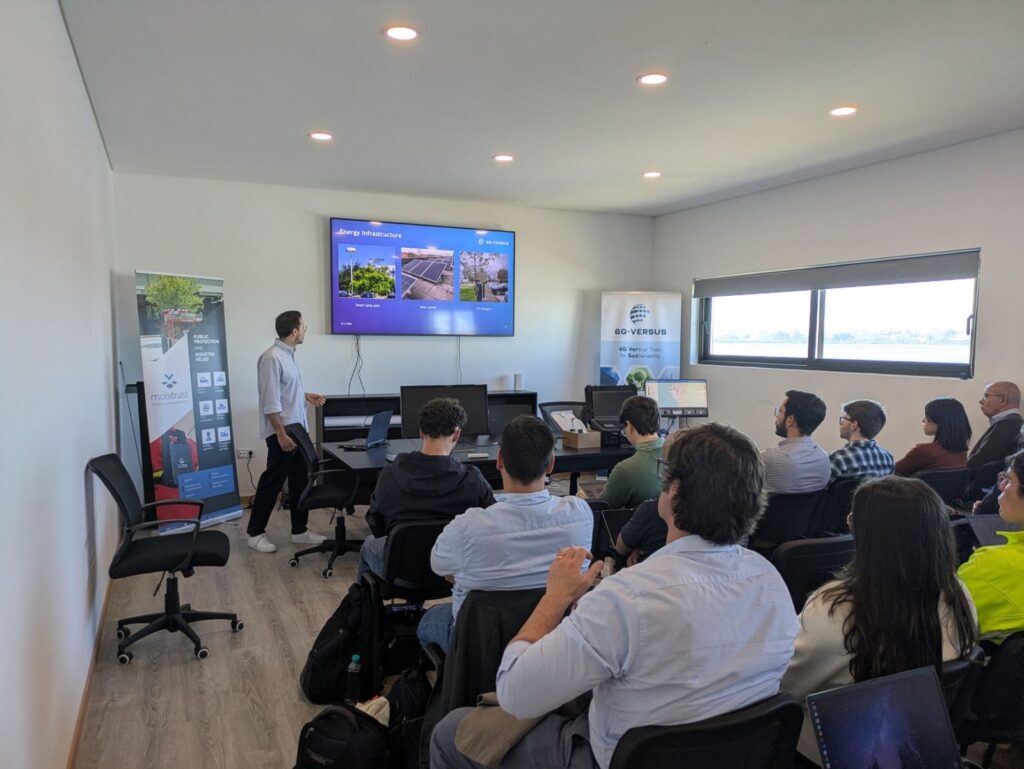
The event also offered an exclusive preview of Scenario 3, centered on energy-aware infrastructure and sustainable operations. Led by Altice Labs, this scenario aims to leverage advanced network capabilities to enhance sustainability and energy efficiency across smart environments. By utilizing real-time location data from user equipment (UE) within the network, the system can dynamically manage services such as public lighting and other adaptive infrastructure based on user presence and movement patterns. This information is processed through edge-based artificial intelligence, enabling low-latency decision-making and precise control of energy consumption.
Among the key technological highlights presented was Smart Lighting, where streetlights dynamically adapt their brightness based on real-time needs. This is enabled by precise user equipment location information provided by the network, allowing lighting levels to respond to the presence and movement of people. By leveraging network-based geolocation, the system ensures both energy efficiency and user safety, reducing unnecessary energy consumption while maintaining adequate illumination when and where it is needed.
Another major component is Intelligent EV Charging, which relies on AI-driven systems to forecast energy production, particularly from renewable sources such as solar, and optimize electric vehicle charging accordingly. By aligning charging demand with periods of higher renewable energy availability, this approach maximizes the use of clean energy, reduces reliance on the grid, and supports more sustainable mobility solutions.
Together, these innovations illustrate the potential of 6G-enabled ecosystems to deliver smarter, greener, and more adaptive infrastructure in real-world environments.
Toward Impact Assessment of 6G Technologies
The 6G-VERSUS project is moving beyond traditional performance metrics like throughput and speed, addressing also Key Value Indicators (KVIs) to measure societal and environmental impacts. In the scope of the demonstrated scenarios, such indicators include the proportion of renewable energy used in port operations and the successful prevention of road safety incidents. The registered stakeholders were invited to provide their views view surveys and questionnaires during the event.
This event was a collaborative effort involving several partners, including IT Aveiro, Altice Labs, OneSource, Instituto Pedro Nunes, JSIO, and the Porto de Aveiro. The broader 6G-VERSUS project includes 34 partners from 10 countries and will continue its large-scale trials across Europe – including pilots in France, Spain, Greece, Finland, and Bulgaria – through December 2027.